Global Warming and the Himalayan Glaciers
 Global Warming and the Himalayan Glaciers
The Master of Ceremonies invited David Seaborg to give the closing summary of the Fourth Annual Townes and Tagore Seminar on the Global Water Crisis, UC Berkeley, July 20, 2013. Seaborg is an evolutionary biologist; he runs the World Rainforest Fund, which works to save rainforests in Latin America.
Thank you very much. My name is David Seaborg. I run the World Rainforest Fund, to save rainforests in Latin America, and I’m an evolutionary biologist.
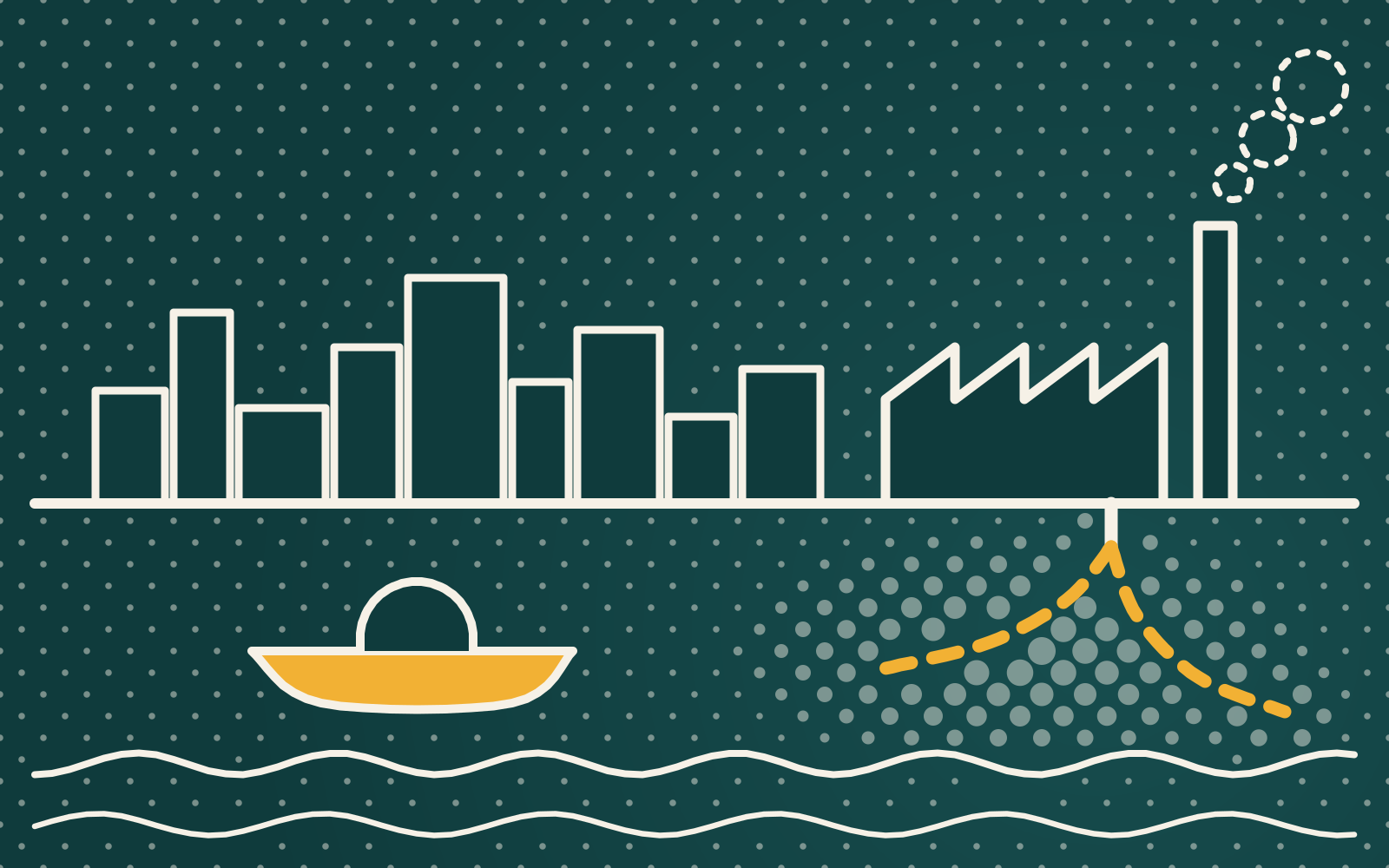
I’m not going to try to summarize what all the speakers said, but I’m going to give you a quick overview of the problem, specifically global warming. I think you all know a lot about the issue as a whole, that it’s caused by greenhouse gas emissions. Dr. Osheroff explained some of that, that the main greenhouse gas is carbon dioxide.
The Himalayan Glaciers
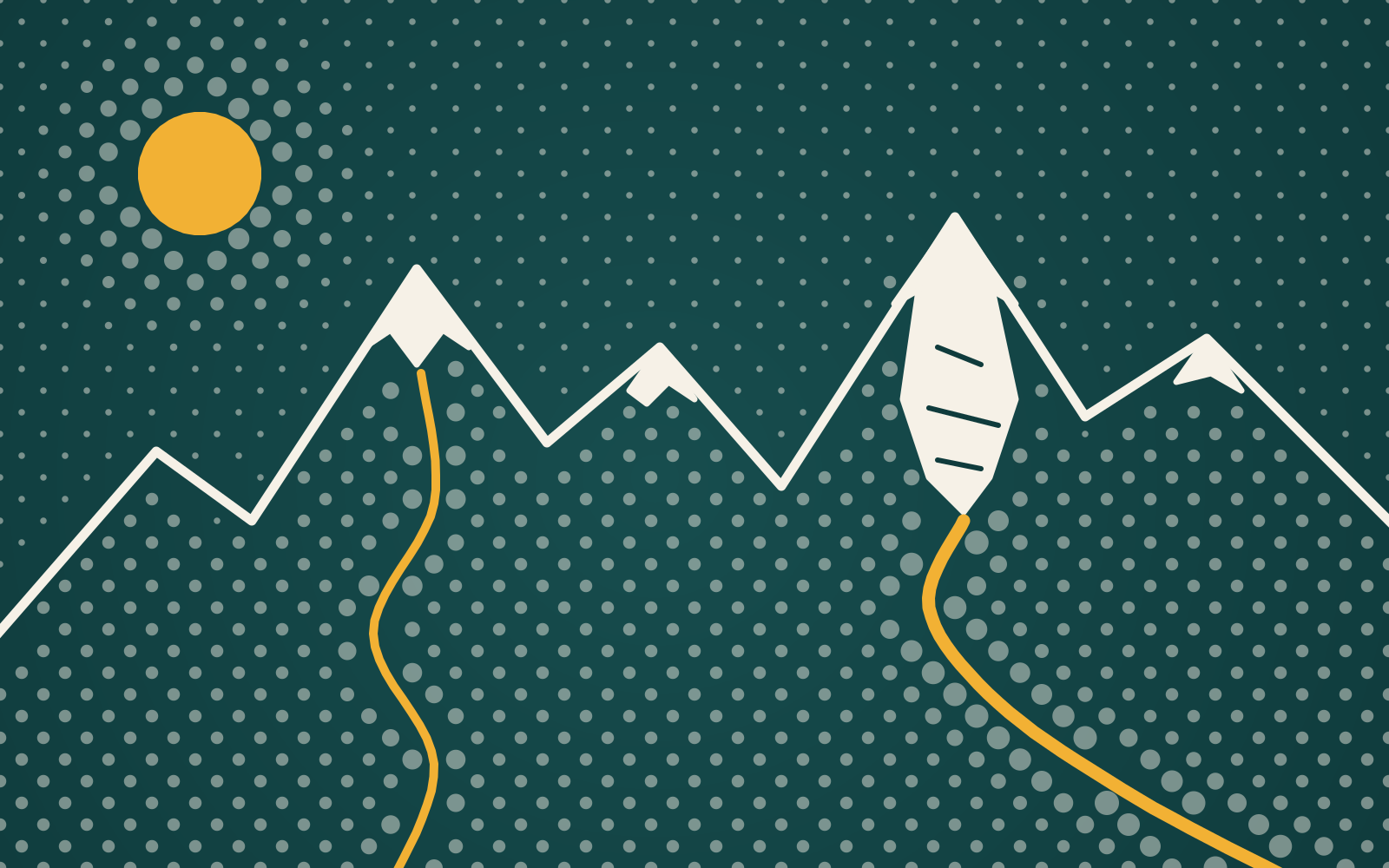
The problem that I want to focus on mainly with global warming is the melting of the glaciers in the Himalaya region of the world. Those glaciers provide the fresh water for seven major river systems in the world, which include the Bengal Basin, as well as India, Bangladesh, China, and Pakistan. When that water is melted, at first you get flooding: you get more water as the glaciers melt. But as you lose the glaciers permanently, there’s no source of water for those seven rivers. These rivers include, for example, the Yellow and the Yangtze in China, and the Ganges in India.
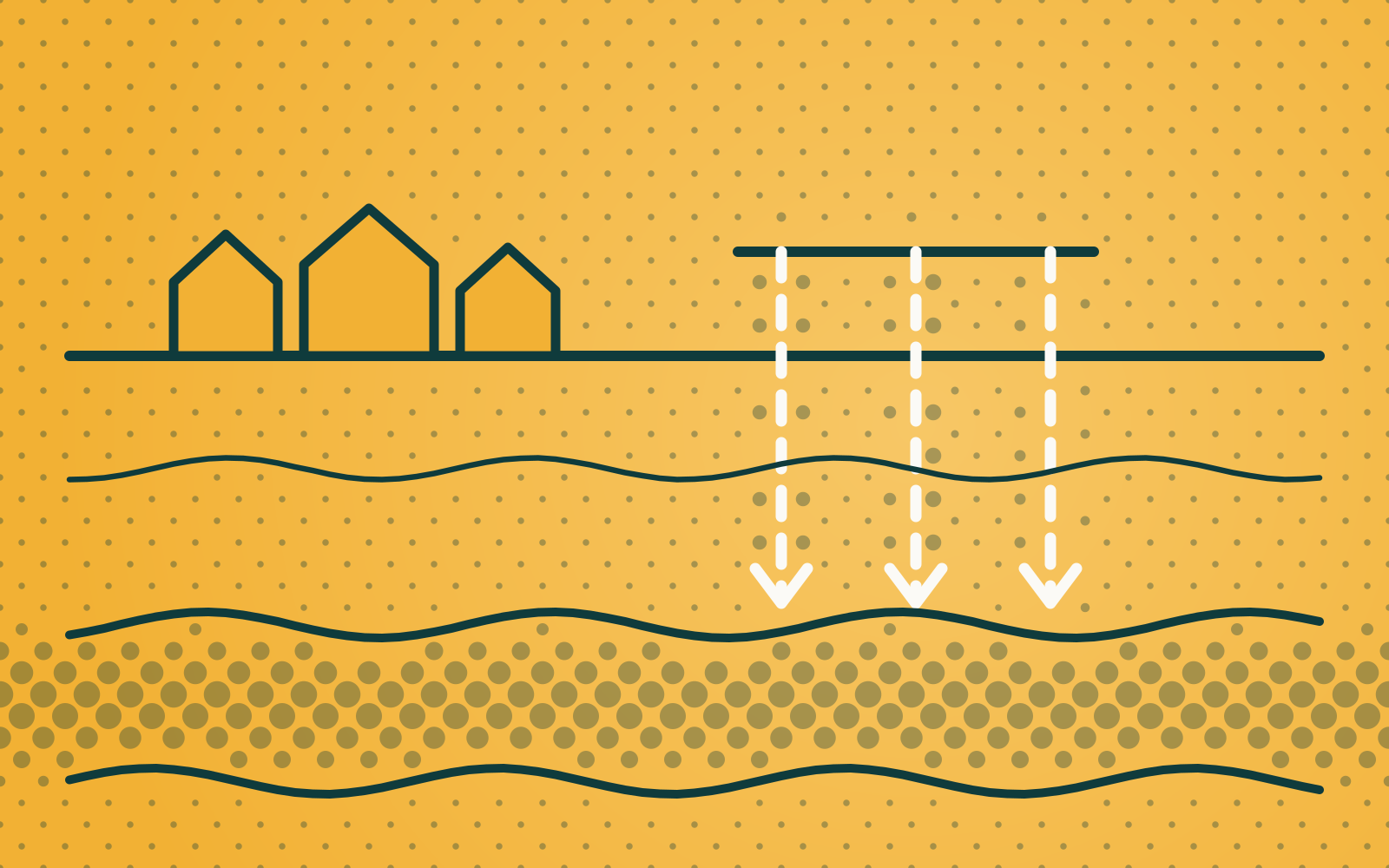
This is fresh water for large ecosystems, to support the trees and wildlife. It’s also the source of water for irrigation and drinking for two billion people. So this will be a major catastrophe if this water is lost due to continued global warming.
Rising Seas and Dying Reefs
The other problem of global warming that I want to address is the rise of sea level, which is mainly from melting of the ice caps of the Arctic and the Antarctic, but also because water, as you heat it, becomes less dense and takes up more volume. So sea levels rise.
The rise of sea level is a problem for many nations and many coastlines, essentially all coastal cities—for example, London. But it’s particularly true for Bangladesh. Bangladesh is already starting to go underwater. They’ve already got plans to do something about it: plans for migrating people, but also plans to try to counter this. It’s a multimillion-dollar plan to counter this. The Dutch also have a plan to counter this.
But there are island nations that are going underwater as they lose their coastlines. Among these are the Maldives in the Indian Ocean, the Marshall Islands, and Vanuatu. These are islands that are starting to first lose their coastlines and then eventually disappear and go all the way underwater. And they now already have plans for migration of their people to other countries, such as Australia. So we’re actually losing island nations.
Another problem with this is the bleaching of coral reefs, because corals are killed when the water is hotter. When the water gets hotter, the algae, which carry out the photosynthesis to keep the coral alive, get bleached out of the coral. The coral loses its color and becomes white, and the coral dies. And when the coral dies, it gets covered with another species of algae, which is just one species, covering all the coral. And then the species diversity of the fish goes way, way down. So you convert the ecosystem with among the highest diversity of invertebrates and corals and fish in the world to a very low-diversity ecosystem, much more unproductive for producing food.
Rainforests and the Water Cycle
Finally, there’s the problem of global warming on rainforests. When you warm a rainforest, you have drought: you have less water falling on the rainforest. Because when the atmosphere is hotter, it’s able to hold more water. And that water then travels in the normal migration patterns of the planet to higher-latitude areas, and it’s there that it drops the rain. So the rainforest loses its source of water.
When it loses its source of water, this is very serious, because rainforests normally only burn in small areas. But if you subject the rainforest to drought, then large areas of the rainforest burn, and you lose the rainforest. There have been major fires in rainforests in Mexico, Brazil, Africa, and Southeast Asia as a result of this.
Of the land ecosystems, the terrestrial ecosystems, the rainforest is the highest-diversity system, with the highest number of species on the planet. Rainforests have half the species on the planet, they’re also a source of medicine, and they themselves are a system of climate control. When you have the rainforest intact, the trees carry out photosynthesis and pull out the major greenhouse gas, which is carbon dioxide. But when the rainforest is cut or burned, the trees either are burned or decompose, and they add carbon dioxide and make climate disruption and climate change worse.
Now, this is a very serious problem as you lose the rainforest. My point is, there’s an interaction between the rainforest and the trees and global warming that works both ways. Make global warming worse, you lose the rainforest; lose the rainforest, and you make global warming worse.
But also, finally, there’s local climate and the water cycle. Through a process called evapotranspiration, rainforests actually cause the rain. In the Amazon Basin, half of the rainfall comes from the Atlantic Ocean. The other half of the water supply, the rainfall, comes from the trees, causing evapotranspiration and causing the rainfall pattern, which originates in the Andes from the runoff of the glaciers and then, through a process of evapotranspiration, works its way in cycles across the rainforest all the way to the Atlantic Ocean. Related to that, of course, is the melting of the glaciers in the Andes, which will lose the source of water for that process.
So this is the overview I wanted to give you. I only have ten minutes.
Plastics and Dead Zones
Actually, there’s much, much more going on in water issues, much more going on in environmental issues, so I can’t do much more in ten minutes than give you a grasp. But I just want to make you aware that there are many, many other issues going on here.
There’s now what’s called the Pacific Gyre, where the trash and the plastics are going in a circular route near the Hawaiian Islands, the upper part of the Hawaiian Islands, with huge amounts of trash. There are now seven of these in our oceans, with plastics and trash. Today, if you take a cup of water from the ocean, it is full of microscopic plastics.
There are also the dead zones in the ocean where, because of pollutant runoff—nitrogen and phosphorus from agriculture, for example, into the Gulf of Mexico—life does not exist and things have died off. There are about eight of these in the oceans now. So that relates to the oceans as well.
So I just wanted to call that to your attention. There are solutions to this, of course. Thank you very much.
Transcribed from the video and lightly edited.